- Jan 21, 2025
Mastering Time
- Merinda Smith
- leadership
Why Your Mindset Could Be the Key to Achieving More
Have you ever found yourself thinking, “How do they do it?” You know the type—the leaders who seem to juggle multiple high-level projects while still managing to prioritise family, fitness, and their personal passions. They make it all look so effortless, while you struggle to keep your head above water.
The truth is, we all have the same 24 hours in a day, but some people seem to achieve so much more in that time. What sets them apart? It’s not simply about being more productive or working harder. The secret often lies in their mindset and approach to time.
Let’s explore how a shift in mindset can help you get more out of the time without feeling overwhelmed or burnt out.
1. Time Isn’t the Problem—Your Mindset Might Be
We often think of time as a finite resource, something we’re always trying to manage and control. However, time itself is neutral; it's how we use it and what we prioritise that makes the difference. If you constantly think, “I don’t have enough time,” you may be unknowingly adopting a mindset of scarcity. This can lead to feelings of anxiety and overwhelm, because you’re always focused on what you’re not getting done.
This sense of scarcity doesn't just make you feel like you're failing to keep up, it can also spark stress and anxiety. The pressure of needing to complete everything on your list, while thinking there’s not enough time to do it all, can easily lead to burnout. Instead of empowering yourself, you inadvertently set yourself up for more stress.
However, when you adopt a mindset of abundance, where you see time as a tool to be used effectively rather than a ticking clock that’s constantly running out, you shift your relationship with it. Time becomes your ally, not your enemy.
Reframe Time Perception
Abandon the scarcity narrative ("I never have enough time")
Embrace an abundance mindset
View time as a tool, not a constraint
When you view time as something you can manage, rather than something that's slipping through your fingers, you start to see opportunities to make progress in the small moments.
The Next 5 Minutes Can Change Everything.
Here’s a simple shift that can have a massive impact: Rather than stressing over the enormity of your to-do list, ask yourself, "What can I do in the next 5 minutes?" This mindset gives you permission to take action in short bursts, removing the overwhelm of tackling an entire task at once. Whether it’s responding to an email, making a phone call, or even just planning your next step, these small moments of action add up quickly. By viewing time in these small, manageable chunks, you turn time from a source of anxiety into an asset.
This approach reduces the feeling of time scarcity and builds momentum. Each small action contributes to the feeling that you’re making progress, even if it’s just five minutes at a time. It’s like stacking small victories throughout your day, which ultimately leads to big wins. Time becomes your friend rather than your foe.
From “Busy” to “Productive”
We’ve all heard people say they’re “too busy,” and we’ve probably said it ourselves. But busyness doesn’t necessarily equate to productivity. In fact, constantly feeling busy can often mean you're spinning your wheels without making meaningful progress.
To make better use of your time, it’s essential to shift from a mindset of busyness to one of intentional productivity. Instead of packing your day with tasks that fill the time but don’t move you forward, focus on the activities that align with your long-term goals. Set clear intentions for what you want to accomplish and ensure that each task you take on brings you closer to achieving those goals.
2. Set Time in the Morning to Plan Your Day (and Energy)
The most productive leaders understand the power of starting their day with intention. Instead of diving straight into your inbox or meetings, take time in the morning to plan both your schedule and your energy. This simple act of intention-setting gives you control over your day rather than allowing your day to control you.
Before you get into the hustle of the day, allocate a few minutes to map out your most important tasks and think about the energy you’ll need to tackle them. Are there moments in your day where you typically feel more energised? Use that time for your most challenging tasks. Similarly, schedule less demanding activities for times when you typically experience energy slumps. By pairing the right tasks with the right energy, you’ll increase both efficiency and satisfaction in your day.
People who seem to achieve more often have crystal-clear clarity about what matters most. They know their priorities inside out and ensure their time is allocated accordingly. If you feel like you’re running from one task to the next without a clear sense of direction, it’s easy to feel scattered and overwhelmed. The key is to identify your top priorities and focus on them, letting everything else fall into place.
Intentional Priority Setting
High-performing leaders:
Have crystal-clear priorities
Make deliberate choices
Understand that saying 'no' is a strategic skill
Protect their focus ruthlessly
One common thread among high achievers is their ability to say "no." It might sound counterintuitive, but saying no to distractions, non-essential tasks, and even well-meaning requests can free up the time and energy you need for what’s truly important. High achievers are skilled at protecting their time from anything that doesn't align with their goals.
If you’re struggling to find balance, it might be time to assess what you're saying “yes” to and whether it truly serves your purpose. Saying no isn’t about being selfish; it’s about being intentional with how you invest your time. When you say no to the things that don’t matter, you create space for the things that do.
3. Energy Management Over Time Management
It’s easy to focus on how many hours are in a day, but what truly makes a difference is how much energy you have to give during those hours. High achievers understand the importance of managing their energy, not just their time. This means recognising when you’re most productive and aligning your most important tasks with those peak energy periods. It also involves taking regular breaks to avoid burnout and giving yourself permission to rest.
Strategic Energy Management
Productivity isn't about hours worked, but energy invested. Consider these principles:
Identify your peak performance windows
Align challenging tasks with high-energy periods
Schedule recovery and reflection time
Recognise mental fatigue as a performance limiter
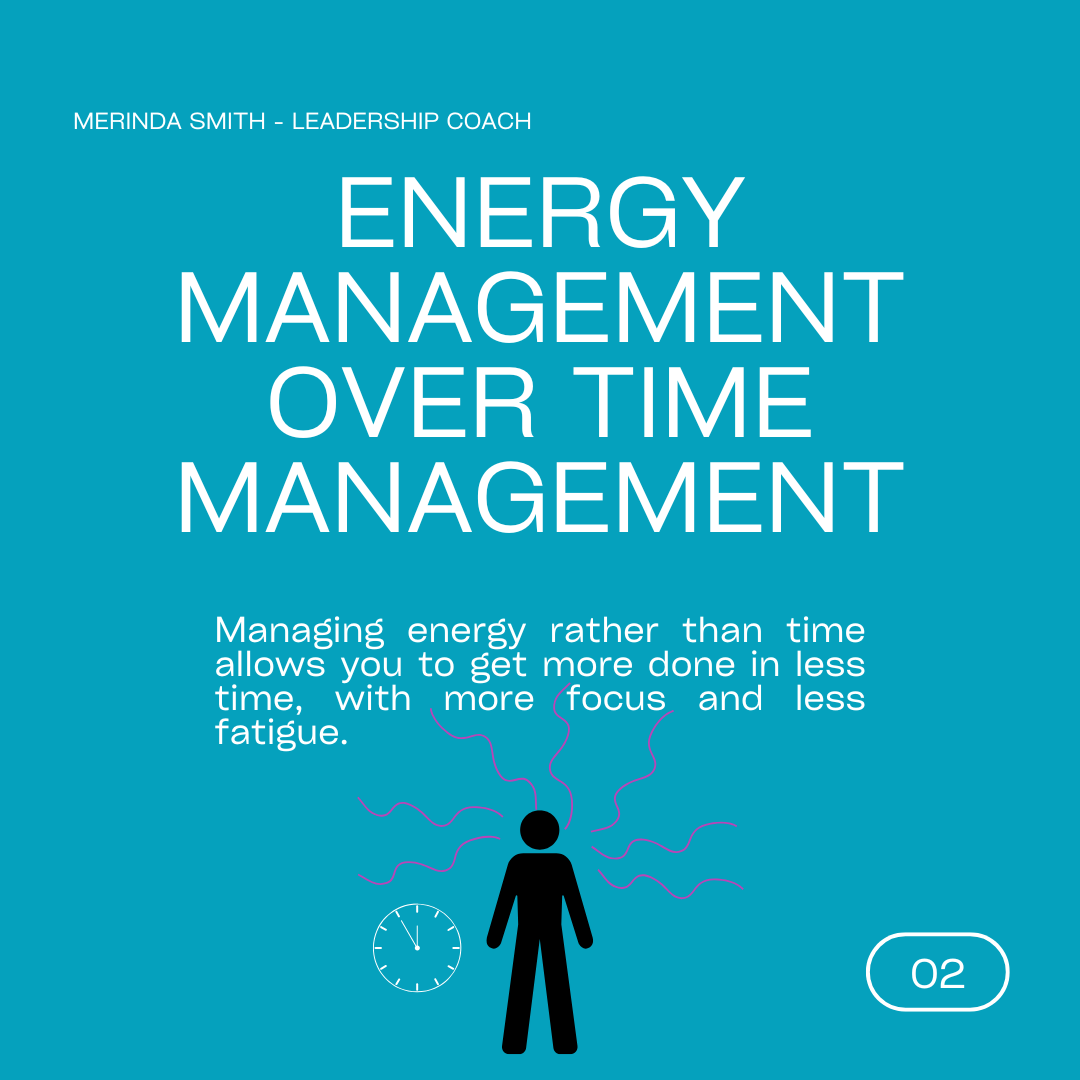
Managing energy rather than time allows you to get more done in less time, with more focus and less fatigue. Don’t underestimate the power of a well-timed break or a good night’s sleep. Both are essential for sustaining high performance in the long run.
Neuroscience reveals that mindset dramatically influences performance.
By reshaping your relationship with time, you're essentially rewiring cognitive patterns that determine productivity.
By shifting your perspective, embracing clarity, setting boundaries, managing your energy, and learning to delegate, you can achieve more without working harder or longer hours.
Leadership isn't about doing more—it's about achieving more meaningfully. Your mindset determines whether time becomes an ally or adversary.The most successful leaders don't just manage time; they master their relationship with it.
Pro Tip: Start small.
Implement one strategy at a time.
Sustainable change emerges from consistent, incremental improvements.
Reflect on your current time philosophy. Are you managing time, or is time managing you?
The next five minutes could transform your entire approach to leadership and productivity.